Things to Do in Kosovo
Ottoman stone, alpine gorges, and the cheapest macchiato on the continent
Top Things to Do in Kosovo
Find activities and tours you'll actually want to do. Book through our partners -- no booking fees.


Plan Your Trip
Essential guides for timing and budgeting
Climate Guide
Best times to visit based on weather and events
View guide →Day Trips
The best excursions and nearby destinations worth the journey
Explore day trips →Where to Stay
Best neighbourhoods, hotel picks, and booking tips
Find hotels →Travel Insurance
What's required, what coverage matters, and how to get a quote
Read guide →What to Pack
Climate-specific gear, essentials, and what to leave at home
See packing list →When Should You Visit Kosovo?
Tap a month for weather, crowds, and highlights
View full year-round climate guide →


Your Guide to Kosovo
About Kosovo
Charcoal smoke hits first. The scent of qebapa drifts across Shadervan Square in Prizren before the grill appears, catches you mid-cobblestone, mingles with the wet stone breath of the Bistrica River ten meters away, and hunger lands in a country you entered three hours ago. Kosovo is Europe's youngest nation, independent since 2008, and it wears that youth like borrowed confidence: uneven, occasionally dazzling.
Pristina will not flirt with you at first glance. Post-war concrete and half-finished cranes dominate the skyline, traffic obeys tribal physics, and the Newborn Monument on Bulevardi Nënë Tereza gets repainted every independence day in colors that split opinion clean. Sit at any café along that same boulevard, order a macchiato, tiny, strong, absurdly cheap by Western European math, and watch the city speak.
Kosovars drink more espresso per capita than almost anyone on the continent. The café doubles as living room, office, parliament. South in Prizren, the Ottoman quarter feels like another country: Sinan Pasha Mosque anchors stone lanes, hammam domes now host galleries, and the hike to Prizren Fortress gifts terracotta rooftops cascading toward the river gorge.
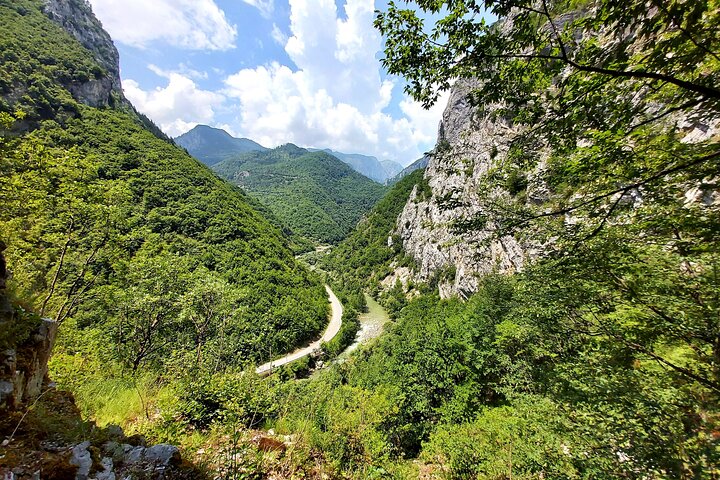
West from Peja, Rugova Canyon slashes through the Accursed Mountains with limestone walls that humble the Austrian Alps, and trails stay silent enough to hear only wind and the Lumbardhi River echoing below. Honest warning: bus timetables are hopeful fiction, international recognition remains patchy, and your phone will route you down roads erased in 1999. Come anyway. This is the Balkans before the tour buses, and the clock is ticking.
Travel Tips
Transportation: Kosovo is pocket-sized; no city run exceeds three hours. Yet patience remains essential. Buses leave Pristina's main station for Prizren and Peja all day, and fares laugh at European price tags. In Pristina, walking covers the center. But for longer hops, local taxi apps beat street hails. The latter treat meters as ornament. No trains run. Day trips to Rugova Canyon or Mirusha Waterfalls demand a rental. Buses won't wait. Fuel costs sit well below Western European levels.
Money: Kosovo spends the euro without EU membership, a post-war quirk that tips in your favor. ATMs crowd Pristina, Prizren, and Peja, but vanish in smaller towns, so stock cash before leaving the hubs. Cards work at hotels and upscale restaurants. Yet the burek guy on Rexhep Luci Street takes paper only. Tipping lacks North American pressure. Round up and watch smiles bloom. Kosovo is bluntly one of Europe's cheapest stops, your money stretches farther than in Albania or North Macedonia, and miles farther than in Croatia or Montenegro.
Cultural Respect: Kosovo is mostly Muslim Albanian, with Serbian Orthodox pockets around Gračanica and the split city of Mitrovica. Slip shoes off at mosque doors, cover shoulders and knees for mosques and monasteries, and ask before shooting prayer photos. Hospitality is law: accept coffee invites, refusal feels rude here. Politics, independence, Serbia, are live wires. Kosovars raise them freely. Strangers should tread lightly near Mitrovica.
Food Safety: Eating in Kosovo ranks among the trip's top payoffs, and stomach trouble strikes less than in much of Southeast Asia or North Africa. Qebapa grills churn out beef-and-lamb sausages tucked into somun with raw onion and kajmak, a clotted cream richer than it looks. Flija, the layered crepe baked under a sač dome, deserves pursuit in Peja. The version near the Patriarchate of Peć carries a smoky, nutty crust from slow fire. Burek lines form at dawn. Longer queue, better pastry. City tap water is treated. Yet locals stick to bottles, and copying them keeps things simple.
When to Visit
Kosovo's seasons split cleanly. Pick the right month. Infrastructure won't cushion you like Swiss resorts. Summer, June through August, is obvious: Pristina hits 30-35°C (86-95°F). Outdoor cafés spill across sidewalks. Mountain trails around Rugova Canyon and Sharr Mountains open fully. July and August bring DokuFest to Prizren.
The documentary festival takes over Ottoman courtyards and riverside bars for a week. It draws younger, international crowds. Trade-off: August heat feels airless. Concrete holds warmth past sunset. Air conditioning isn't universal in budget spots. Hotel rates peak. Even peak prices here would be off-season in Dubrovnik or Thessaloniki.
Spring, late April through May, is smartest for most. Temperatures hover 18-24°C (64-75°F). Hills around Prizren turn photogenic green. Accommodation prices drop from summer highs. Germia Park on Pristina's eastern edge fills with joggers and picnickers on weekends. The city loosens up before tourist season tightens things in June.
Autumn, September into early October, shares spring's mild weather. Expect 15-22°C (59-72°F). Harvest season hits. Markets overflow with peppers, grapes, and plums that become household raki. Sharr Mountains color rivals New England. You'll have trails largely to yourself. By late October rain sets in. Temperatures drop fast.
Winter suits specific travelers. December through February brings real cold. Lows hit -8°C (18°F) in highlands. Snow blankets mountains but slows unreliable intercity transport. Brezovica ski slopes in Sharr Mountains surprise. They're good and almost comically affordable versus Alps. Facilities remain basic. Lift infrastructure is still being rebuilt.
Pristina in winter has muted charm. Fog settles over city. Macchiato culture intensifies. Nobody wants to leave warm cafés. Independence Day on February 17th brings concerts and flag-waving to streets. Accommodation prices bottom out. You'll have Gračanica Monastery and Prizren Fortress essentially to yourself. Honest answer: come in May or September for best of everything.
July works if you want DokuFest and can handle heat. Winter only if you're comfortable with unpredictability.
More Ways to Experience Kosovo
Tours, day trips, and local experiences curated by on-the-ground operators.
Didn't see anything interesting yet?
Browse Viator's full catalog of tours, day trips, food experiences, and private guides in Kosovo.
See All Kosovo Tours on Viator